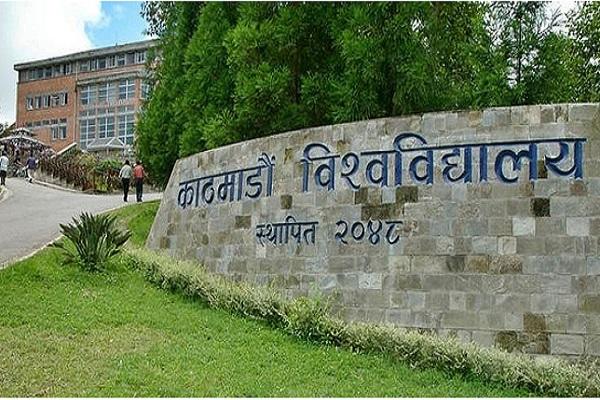
The Master of Business Administration (MBA) at Kathmandu University School of Management (KUSOM) is a full-time postgraduate management programme designed for graduates interested in business, finance, marketing, human resource management, entrepreneurship, strategy and other managerial fields.
Located at Balkumari, Lalitpur, KUSOM combines classroom learning with case studies, practical projects, industry interaction and experiential learning. The MBA programme focuses on developing managerial knowledge, analytical thinking, leadership skills and strategic decision-making.
KUSOM MBA at a Glance
Particular | Details |
University | Kathmandu University |
Academic Unit | Kathmandu University School of Management (KUSOM) |
Programme | Master of Business Administration (MBA) |
Level | Postgraduate |
Mode | Full-time |
Duration | Two years |
Academic Structure | Four semesters |
Credit Requirement | 63 credit hours |
Eligibility | Bachelor's degree of at least three years in any discipline |
Minimum Academic Requirement | 50% aggregate marks or 2.0 CGPA |
Entrance Test | KUSOM Management Admission Test (KUMAT) |
Selection Components | KUMAT, academic performance, personal interview and other prescribed components |
Practical Components | Internship, projects, case studies and Rural Enterprise Service |
Location | Balkumari, Lalitpur |
Published MBA Fee | NPR 656,000 |
Application Fee | As specified in the relevant admission notice |
Admission requirements, fees, examination arrangements and deadlines may change between academic intakes. Applicants should check the latest KUSOM admission notice before applying.
What is KUSOM MBA?
The KUSOM MBA is a two-year, full-time Master of Business Administration programme offered by Kathmandu University School of Management.
The programme goes beyond theoretical management education by encouraging students to apply management concepts to organisational and business situations. Its academic areas include leadership, strategic management, finance, marketing, human resource management, operations, project management and business analytics.
KUSOM's approach places emphasis on application-oriented learning, case analysis, analytical and creative problem-solving, industry engagement, professional ethics and responsible leadership.
This makes the MBA relevant to students from different academic backgrounds who want to develop a broader understanding of business and management.
KUSOM MBA Duration and Academic Structure
The KUSOM MBA is structured as a two-year, four-semester programme and requires students to complete 63 credit hours, along with the mandatory Rural Enterprise Service (RES) component.
The curriculum is divided into several categories:
Course Category | Credit Hours |
Foundation Courses | 15 |
Core and Functional Courses | 17 |
Integrative Courses | 11 |
Major Specialisation | 12 |
Minor/Elective Courses | 6 |
Internship | 2 |
Total | 63 |
The structure combines foundational management knowledge with functional subjects, specialisation, electives and practical exposure.
KUSOM MBA Specialisations and Major Areas
The MBA allows students to develop deeper knowledge in selected areas of management through its major and elective structure.
Major areas include:
Leadership and Strategic Management
Human Resource Management
Project Management
Finance
Marketing
Operations Management
Business Analytics
The courses and specialisation options available to students can depend on the curriculum and academic offering of the particular intake.
Students should therefore consult the latest KUSOM curriculum and admission information when selecting their area of interest.
Who Can Study MBA at KUSOM?
The KUSOM MBA is open to Nepali as well as international applicants.
Applicants must generally have:
A Bachelor's degree of at least three years' duration in any discipline; and
At least 50 percent aggregate marks or 2.0 CGPA from a university recognised by Kathmandu University.
A bachelor's degree specifically in management or business is therefore not mandatory under the stated general eligibility requirement.
Graduates from disciplines such as science, humanities, information technology, education, engineering or other fields may also be eligible if they satisfy the prescribed academic requirements.
Applicants should confirm the eligibility criteria stated in the admission notice for the particular intake.
KUSOM MBA Admission Process
Admission to the KUSOM MBA involves more than simply submitting bachelor's-level academic results.
The selection process includes the KUSOM Management Admission Test (KUMAT) along with other assessment components prescribed by the School of Management.
The admission process may include:
1. KUMAT
2. Review of academic performance
3. Analytical writing, where prescribed
4. Personal interview
5. Final selection according to KUSOM's admission criteria
The precise weightage and sequence of these components can vary according to the admission cycle.
KUMAT: KUSOM Management Admission Test
The KUSOM Management Admission Test (KUMAT) is an important component of the MBA admission process.
The test assesses areas including:
Verbal reasoning
Quantitative reasoning
Data interpretation
English-language proficiency
Students preparing for KUMAT should therefore be familiar with both verbal and quantitative problem-solving and should develop the ability to interpret information and work with data.
KUSOM publishes the relevant examination and admission information for each intake.
KUSOM MBA Admission Intake
KUSOM generally conducts MBA admissions through Spring and Fall intakes, subject to its academic calendar.
The admission periods have generally been around:
Spring intake: November–December
Fall intake: August–September
These periods should be treated as indicative rather than permanent deadlines. The actual application opening date, entrance examination date and admission deadline can change from one intake to another.
Applicants should follow the latest official KUSOM admission notice.
Documents Required for KUSOM MBA Admission
Applicants generally need to provide academic and identification documents during the application process.
These may include:
Citizenship certificate or passport
SEE/SLC marksheet
Grade 11/12 or +2 transcript/marksheet
Bachelor's transcript
Bachelor's certificate
Other documents specified by KUSOM
Admission or application fee payment receipt
Applicants whose bachelor's results are pending may be required to submit additional documents related to their final examination and latest academic record.
The exact document requirements should be checked against the admission notice for the relevant intake.
KUSOM MBA Fee
The currently published MBA fee structure places the total programme package at NPR 656,000.
The published structure includes a NPR 10,000 refundable caution deposit, while the remaining amount is payable according to the payment schedule prescribed by KUSOM.
The fee does not necessarily cover personal expenses such as:
Books
Stationery
Accommodation
Transportation
Food
Other personal expenses
KUSOM also notes that its fees are subject to change. Students should therefore confirm the applicable fee before admission.
For international students, separate fee provisions apply. The published structure specifies different rates for students from SAARC countries and students from other countries.
KUSOM MBA Scholarship and Financial Support
KUSOM may provide scholarships, tuition-fee waivers and other forms of financial assistance under provisions announced for particular admission intakes.
The number of scholarships, eligibility criteria, selection process and amount of financial support can vary.
Students interested in financial assistance should therefore check the latest scholarship notice alongside the MBA admission notice rather than relying on information from previous years.
Practical Learning at KUSOM
One of the important components of the KUSOM MBA is its emphasis on applying management knowledge to practical situations.
Students may engage in:
Case studies
Business projects
Presentations
Workshops
Term papers
Group activities
Industry interaction
Internship
Rural Enterprise Service
The assessment system also combines continuous in-semester evaluation with end-semester examinations.
Depending on the course, assessment may include written examinations, quizzes, assignments, project work, case analysis, workshops, presentations and class participation.
This approach allows students to encounter management concepts through different forms of academic and practical work rather than relying exclusively on final examinations.
Rural Enterprise Service
The Rural Enterprise Service (RES) is a distinctive experiential component of the KUSOM MBA.
It gives students an opportunity to work with businesses and communities outside the conventional classroom environment.
The purpose is to expose students to practical enterprise and organisational challenges and encourage them to apply management concepts in real situations.
Such exposure can help students understand that management practices vary according to the size, resources, location and operating environment of an organisation.
Industry Exposure and Placement
KUSOM also provides opportunities for students to interact with the corporate sector.
Its Placement Cell works to connect students with organisations through activities such as:
Job opportunities
Internship opportunities
Company presentations
Industry interaction
Training programmes
Workshops
Career-related events
KUSOM also organises a Job and Internship Fair, bringing students and participating organisations together.
Such activities provide students with opportunities to learn about the employment market and interact directly with prospective employers.
Career Opportunities After KUSOM MBA
An MBA can provide a foundation for careers across a range of business and management sectors.
Depending on their specialisation, professional experience and skills, KUSOM MBA graduates may pursue opportunities in:
Banking and financial services
Corporate management
Marketing and sales
Human resource management
Business development
Project management
Operations management
Business analytics
Consulting
Entrepreneurship
Development organisations
International organisations
An MBA does not guarantee a particular career outcome. Professional experience, specialisation, technical and interpersonal skills, networking and labour-market conditions can all influence career opportunities.
Who Should Consider KUSOM MBA?
The KUSOM MBA can be relevant to graduates who want to build a broader understanding of business and management while gaining exposure to practical organisational problems.
It may be considered by:
Fresh bachelor's graduates planning a career in management
Graduates from non-management backgrounds interested in business
Professionals seeking to strengthen their management knowledge
Aspiring entrepreneurs
Students interested in finance, marketing, HR, operations or analytics
Individuals planning careers in Nepal's corporate and financial sectors
Because the programme is full-time and includes practical components, prospective students should consider the academic workload, tuition fee, location and time commitment before applying.
KUSOM MBA: What Students Should Know
The KUSOM MBA combines management theory with practical learning, industry exposure and experiential activities.
Its curriculum covers major areas of business and management while allowing students to develop deeper knowledge through specialisation and elective courses. The programme also incorporates case studies, projects, internship and the Rural Enterprise Service to connect academic knowledge with practical situations.
For prospective applicants, the choice of an MBA programme should not be based only on the name of the degree. Curriculum, admission requirements, teaching approach, fees, scholarship opportunities, practical exposure, location and career interests are all relevant factors to consider.
Students from non-management academic backgrounds can also consider the programme because the general eligibility requirement does not restrict applicants to bachelor's degrees in business or management.
KUSOM MBA Admission: Important Note
Admission requirements, entrance-test arrangements, fees, scholarships, application deadlines and other details can change from one academic intake to another.
Students planning to apply should therefore refer to the latest official admission notice published by Kathmandu University School of Management rather than relying on information from an older admission cycle.
For the latest information, applicants should check the official KUSOM website and the admission notice issued for the relevant intake.
Official Source
Kathmandu University School of Management (KUSOM): Official KUSOM website
Kathmandu University MBA at a Glance
Particular | Details |
University | Kathmandu University |
Academic Unit | Kathmandu University School of Management (KUSOM) |
Programme | Master of Business Administration (MBA) |
Level | Postgraduate |
Mode | Full-time |
Duration | Two years |
Academic Structure | Four semesters |
Credit Requirement | 63 credit hours |
Eligibility | Bachelor's degree of at least three years in any discipline |
Minimum Academic Requirement | 50% aggregate marks or 2.0 CGPA |
Entrance Test | KUSOM Management Admission Test (KUMAT) |
Selection | KUMAT, academic performance, interview and other prescribed components |
Practical Components | Case studies, projects, internship and Rural Enterprise Service |
Location | Balkumari, Lalitpur |
Published Programme Fee | NPR 656,000 |
Caution Deposit | NPR 10,000, refundable |
Admission Intakes | Spring and Fall, subject to official schedule |
Application | Online, according to the relevant admission notice |