


Trinity International College
A space Unwind to enjoy.
0
Stories
0
Activities
0
Events
0
Photos
About Trinity International College
About Trinity International College
Choosing a college after the Secondary Education Examination (SEE) is an important decision in a student's academic journey. It is a time when interests begin to develop into ambitions, students start exploring possible career paths and the foundations for higher education take shape. A meaningful college experience should therefore offer more than examination preparation. It should encourage independent thinking, intellectual curiosity, confidence and the ability to respond to the challenges of a changing world.
Trinity International Secondary School & College, commonly known as Trinity International College, is a co-educational institution located at Dillibazar Height, Kathmandu, Nepal. The institution offers higher-secondary programmes under the National Examinations Board (NEB), Cambridge International A Levels and bachelor's-level programmes affiliated with Tribhuvan University (TU). Its academic offerings bring together different educational pathways, allowing students to pursue their interests at the higher-secondary level and, where appropriate, continue into undergraduate study.
Trinity's stated vision is to become a leading institution for academic excellence and a first choice for students in Nepal. Its mission emphasises quality teaching and learning, intellectual development, social and personal transformation, and the nurturing of students' talents and abilities.
The college identifies respect, care, honesty, responsibility, fairness, effort and teamwork among its core values. These principles reflect an educational philosophy in which academic achievement is accompanied by personal development, responsible conduct and cooperation.
For students entering Grades 11 and 12, the college years are a formative period. They involve adapting to more specialised subjects, developing independent study habits and preparing for university education. Trinity seeks to support this transition through its academic programmes, teaching faculty, learning resources, student support services and extracurricular activities.
Academic Programmes
+2 Science: Developing Scientific Understanding
Science education provides a foundation for students interested in understanding the natural world, investigating scientific questions and exploring technological possibilities. It is particularly relevant to learners considering further study in medicine, engineering, information technology and other scientific disciplines.
Trinity offers a +2 Science programme under the National Examinations Board. The curriculum follows the applicable NEB requirements, with subject combinations designed to support different academic interests and further-study pathways.
Science requires students to understand concepts, interpret evidence and apply knowledge to unfamiliar problems. Classroom instruction provides the theoretical foundation, while laboratory work and practical exercises help learners connect scientific principles with observation and experimentation.
The college states that it prepares +2 students for competitive entrance examinations associated with medical and engineering education. This preparation can be relevant for students who wish to pursue fields such as medicine, engineering and other science-related disciplines, subject to the entrance and eligibility requirements of the respective institutions.
A strong foundation in Science also develops analytical reasoning, systematic problem-solving and the ability to evaluate evidence. These skills remain valuable beyond formal scientific study and can support students in a range of academic and professional fields.
For prospective students, it is important to review the available subject combinations and choose those that correspond to their interests and intended university programmes.
+2 Management: Understanding Business and Economic Activity
Management education introduces students to the principles underlying business organisations, financial activities, markets and economic decision-making. It is suitable for learners interested in business administration, accounting, finance, marketing, entrepreneurship and related disciplines.
Trinity offers a +2 Management programme under the NEB framework. The programme provides a foundation for students who wish to continue into higher education in business, management, economics and other related fields.
Management is not simply the study of commercial organisations. It also involves understanding how people work together, how resources are allocated, how decisions affect outcomes and how organisations respond to changing circumstances.
Students studying Management can develop numerical reasoning, communication, analytical thinking and decision-making skills. Assignments, presentations and collaborative activities can further help them organise information, explain ideas and consider different approaches to a problem.
After Grade 12, students may explore undergraduate programmes such as Bachelor of Business Studies (BBS), Bachelor of Business Management (BBM), Bachelor of Business Administration (BBA) at institutions that offer it, and other related qualifications, subject to the admission criteria of the respective institutions.
For students who wish to understand the relationship between business, finance and society, Management can provide a useful foundation for further academic and professional development.
Cambridge International A Levels: An Alternative Academic Pathway
In addition to its NEB programmes, Trinity offers Cambridge International A Levels, an internationally recognised qualification administered through Cambridge International Education.
A Levels provide an alternative route for students seeking a subject-based qualification that can support applications to universities in Nepal and abroad. The programme allows students to concentrate on selected subjects according to their academic interests and future plans.
Trinity's A Level provision includes Science and non-Science pathways, according to the programme information published on its website. Students should consult the current prospectus to confirm the subjects available, the combinations permitted and the requirements for their intended university courses.
A Levels place importance on subject knowledge, analytical ability and independent learning. The programme can suit students who prefer a more specialised approach to higher-secondary education and wish to explore international university pathways.
However, admission requirements vary among universities and countries. Students planning to study abroad should check the qualification, subject and grade requirements of their intended institutions before selecting their A Level subjects.
Bachelor's-Level Programmes: Continuing the Academic Journey
Trinity also identifies bachelor's-level programmes affiliated with Tribhuvan University on its official website. These programmes extend the institution's academic offerings beyond higher-secondary education.
The institution's published introduction and programme information identify undergraduate courses including BSc CSIT, BBM, BCA and BBS, with BA also mentioned in its institutional introduction. Prospective students should confirm which programmes are currently accepting applications, as programme availability may change.
Bachelor of Science in Computer Science and Information Technology (BSc CSIT) is intended for students interested in computing, software, information systems and related technological fields. Bachelor of Computer Applications (BCA) focuses on computing and application development. BBM provides an academic pathway in business management, while BBS focuses on business studies.
These programmes have different curricula and eligibility requirements. Students should examine the relevant course structures, admission criteria and future-study opportunities before applying.
The availability of undergraduate programmes at the same institution can provide continuity for students who wish to explore further study within Trinity. Nevertheless, the choice of a bachelor's programme should be based on the student's interests, academic preparation and long-term goals rather than convenience alone.
Teaching, Learning and Academic Support
A college's educational environment is shaped not only by the curriculum but also by the way teachers guide students through the learning process.
Trinity describes its faculty as experienced, dedicated and supportive. Its stated educational approach emphasises modern teaching, active engagement, academic encouragement and continuous support for student achievement.
The college's academic system includes term examinations and regular class tests. Such assessments can help students monitor their progress, identify areas requiring additional attention and become familiar with examination expectations.
Trinity also states that it provides additional academic support and counselling. Its student support services include guidance on academic matters, personal concerns, educational options and career planning.
This support can be especially useful during the transition from school to higher-secondary education, when students encounter more demanding subjects and greater responsibility for their own learning.
Academic guidance is most effective when students actively seek help, reflect on feedback and develop consistent study habits. Regular assessment, teacher interaction and personal effort can work together to help learners improve their understanding and prepare for further study.
Learning Facilities and Campus Environment
An effective learning environment requires more than classrooms. Students need access to academic resources, appropriate study spaces and facilities that support both formal instruction and independent learning.
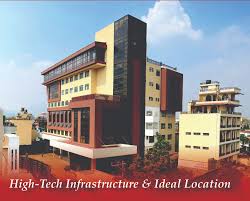
Trinity describes its campus as centrally located in Kathmandu, with classrooms, open spaces and facilities for academic and extracurricular activities. Its official website highlights modern infrastructure, a library, a dedicated Study Zone and sports facilities.
The library provides access to textbooks, reference books, encyclopaedias, journals, newspapers, magazines and other learning materials. These resources can support classroom preparation, independent study and research.
The Study Zone is intended to provide a quiet and comfortable environment for focused learning. It also offers space for students to interact academically and participate in scholastic activities.
The college's website describes its classrooms as spacious, well-lit and ventilated. It also highlights the maintenance and inspection of campus buildings as part of its commitment to safety.
A campus environment that supports concentration and access to learning resources can help students establish productive study habits. Equally important is the opportunity to move between individual study, classroom discussion and collaborative work.
The institution also identifies a range of sports facilities, including spaces for futsal, basketball, cricket, badminton and table tennis. These facilities support physical activity and provide opportunities for students to participate in games and competitions.
Clubs, Co-curricular Activities and Student Engagement
Education extends beyond scheduled classes. Student clubs, competitions, performances and other activities can give learners opportunities to explore their interests, build relationships and develop skills that complement their academic studies.
Trinity's website highlights a wide range of extracurricular and co-curricular activities, including debating, essay writing, elocution, painting, drama, music, excursions and sports. Its institutional calendar and news section also feature student competitions and campus events.
The college organises activities in which students can participate in academic, creative and recreational settings. Essay-writing and debating competitions encourage research, structured thinking and communication. Painting, drama and music provide opportunities for artistic expression, while sports encourage teamwork, discipline and physical fitness.
Trinity also features Model United Nations activities. Model United Nations introduces students to international affairs, diplomacy, negotiation and public speaking through simulations of international discussions and decision-making. Participation can help learners develop research skills and become more familiar with global issues.
The institution's website reports that it had 11 clubs and more than 150 events and activities in 2025. This indicates the range of student engagement highlighted in its published institutional information.
Such activities can contribute to a broader educational experience when students participate actively and take responsibility for planning, teamwork and execution. They also create opportunities for students to discover interests that may not be fully expressed through their academic subjects.
Sports, Physical Well-being and Teamwork
Physical activity is an important part of student development. Sports provide opportunities to build fitness, practise discipline, learn cooperation and develop respect for shared rules.
Trinity offers access to a variety of sporting activities, including futsal, basketball, cricket, badminton and table tennis. The college also highlights intra-college sporting competitions and other student events.
Participation in sports can help students learn to work towards common goals, respond to challenges and balance individual performance with collective responsibility. Competitive activities also offer opportunities to practise perseverance and learn how to respond constructively to both success and disappointment.
For students whose academic schedules are demanding, sports can provide a valuable balance to classroom learning and examination preparation.
The importance of these activities lies not only in competition but also in regular participation, fair play and the development of healthy habits.
Scholarships, Counselling and Student Support
Access to education and appropriate academic guidance can influence a student's college experience. Scholarships may help eligible students manage educational expenses, while counselling can assist them in making informed decisions about their studies and future plans.
Trinity states that it offers scholarships based on factors including academic merit, entrance-test performance, examination results, talent and financial need. Its published information also refers to need-cum-merit-based support.
The availability, value and eligibility criteria of scholarships may differ by programme and academic session. Students and parents should therefore confirm the current provisions directly with the college before making financial plans.
The institution also identifies academic, personal and career counselling among its student support services. Such guidance can help students assess subject choices, explore further-study options and address academic difficulties.
Counselling can be particularly valuable for students who are uncertain about their future direction or need support in adjusting to the demands of higher-secondary education.
Students should seek clear information about admission criteria, fees, scholarship conditions and academic expectations before enrolling.
Alumni and Future Opportunities
A college's role in education can extend beyond graduation. Alumni networks can reflect the varied academic and professional directions that students pursue after completing their studies.
Trinity reports an alumni community of more than 25,500 in its institutional facts and figures. Its website presents this as part of the college's long-term educational record.
The college also publishes figures relating to graduate placements and academic achievements. These figures reflect the institution's own reporting and should be understood in the context of the periods and categories specified on its website.
For prospective students, alumni information can offer a broader perspective on possible academic and professional pathways. However, individual outcomes depend on several factors, including academic performance, further qualifications, personal interests and professional opportunities.
Students should consider alumni achievements alongside more immediate questions about programme suitability, teaching, academic support and the resources available for their chosen field.
More Than Examination Preparation
The higher-secondary years are an important stage in a student's development. They are a time to strengthen subject knowledge, develop independent learning habits and begin making decisions about university education and future careers.
Trinity International College brings together NEB +2 programmes, Cambridge International A Levels and selected bachelor's-level programmes. Its stated educational approach combines academic achievement with personal development, student support, extracurricular participation and an emphasis on responsible conduct.
For students and parents considering the institution, the key question is not simply how many programmes or facilities a college offers. It is whether the academic environment, subject choices, teaching approach and support services are appropriate for the student's needs and aspirations.
A meaningful college experience should help students understand their strengths, recognise areas for improvement and develop the confidence to explore new ideas. It should also encourage them to become responsible members of their communities and thoughtful participants in a changing world.
Trinity's stated mission places these aims alongside academic excellence. For students beginning the next stage of their education, the college experience can therefore be viewed as both a period of academic preparation and an opportunity for wider personal growth.
Trinity International College at a Glance
Institution: Trinity International Secondary School & College
Common Name: Trinity International College
Location: Dillibazar Height, Kathmandu, Nepal
Institutional Type: Co-educational
Higher-secondary Programmes: +2 Science and Management under the National Examinations Board (NEB)
International Qualification: Cambridge International A Levels
Bachelor's-level Programmes: BSc CSIT, BCA, BBM and BBS; BA is also mentioned in the institutional introduction. Confirm current programme availability with the college.
Academic Facilities: Classrooms, library, Study Zone and academic learning resources
Sports Facilities: Futsal, basketball, cricket, badminton and table tennis
Student Activities: Clubs, debating, essay writing, elocution, painting, drama, music, Model United Nations, excursions and sports
Student Support: Academic guidance, personal counselling, career planning and scholarship opportunities
Core Values: Respect, care, honesty, responsibility, fairness, effort and teamwork
Admission Process: Eligible applicants are admitted through an entrance test and personal interview, according to the college's published information.
Contact & Leadership
Latest from Trinity International College
Nothing published for this institution yet.